
What is accounting: Types, definition, and FAQs

These frameworks dictate how transactions should be recorded and reported, ensuring transparency for stakeholders. Accounting is really a system or process of recording information and displaying it to people in an understandable way, so that they can make decisions based on the financial information. In cash-basis accounting, transactions are recorded only when money changes hands—when you receive or pay cash. Even for non-perishable stock, FIFO often gives a more accurate picture of your company’s finances because it uses recent purchase costs for inventory valuation.
What is the difference between cash and accrual accounting?
While tax accountants are competent in key accounting and finance skills, they specialize in tax laws and guidelines so they can help their clients file taxes promptly, correctly, and effectively. Essentially, while financial accounting is assets = liabilities + equity recording and reporting, managerial accounting is interpreting and analyzing. Accountants also report important financial information to external authorities. For example, tax accountants ensure companies meet tax requirements and provide the Internal Revenue Service (IRS) with accurate information.
Skills Required For A Successful Accounting Career
Aspiring CPAs are expected to have a bachelor’s degree, more than two years of public accounting work experience, pass all four parts of the CPA exam and meet additional state-specific qualifications if required. In the U.S., licensed CPAs must have earned their designation from the American Institute of Certified Public Accountants (AICPA). Different costing methods help businesses track expenses, improve pricing, and manage cost control more effectively.
Advantages and Disadvantages of Accounting Careers

This highlights the lucrative nature of accounting careers and underscores the value placed on professional expertise and qualifications in the field. To help you get started, here are some of what is accounting the best accounting software solutions to consider. Accounting ratios help uncover difficult-to-find conditions and trends by inspecting the ratio’s components.

Each type serves a specific purpose, such as preparing financial statements or supporting internal decision-making. Professional accountants adhere to a set of standards known as the Generally Accepted Accounting Principles (GAAP) when preparing financial statements. These principles ensure consistency, accuracy, and transparency in financial reporting, enabling stakeholders to rely on financial information for decision-making purposes. They’re responsible for looking into business processes and making sure that all of a company’s financial statements and transactions are correct. Internal auditors work for the company they audit, while external auditors work for accounting firms and perform audits for other companies.
How Ramp helped modernize the Hospital Association of Oregon’s financial processes
Accounting is far more than a system of debits and credits—it is a comprehensive framework for understanding and managing a business’s financial performance. From recording transactions to preparing financial statements, each step in the accounting process plays a vital role in ensuring accuracy and transparency. By recording and summarizing transactions, it provides insights into a company’s profitability, liquidity, and financial stability. Investors, creditors, managers, and regulators all rely on accurate accounting information Accounting For Architects to evaluate performance, allocate resources, and ensure compliance.
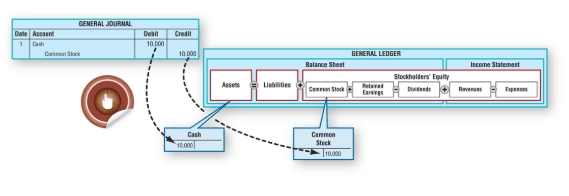
Indirect costs are expenses that support operations but are not linked to a specific product. Overhead costs, administrative salaries, and receivable write-offs fall into this category. Businesses allocate these costs across different departments or products to ensure accurate reporting. Understanding cost components is essential for tracking expenses and optimizing profitability.
- They devise strategic tax planning strategies to minimize tax liabilities and optimize tax efficiency for individuals and businesses.
- Learn fundamental financial analysis and managerial accounting skills with this free job simulation from Chartered Accountants ANZ.
- Financial accounting statements provide businesses with an overview of a company’s performance.
- Our team of reviewers are established professionals with decades of experience in areas of personal finance and hold many advanced degrees and certifications.
These transactions include sales, purchases, expenses, investments, and loans, among others. By recording these transactions accurately and systematically, businesses can maintain organized financial records that facilitate decision-making and compliance with regulatory requirements. Consider a small business owner using Accounting software to track monthly revenue and expenses. By accurately recording and categorising income and expenses, they can generate key financial documents, such as a profit-and-loss statement and a balance sheet. These tools enable the business owner to monitor cash flow, evaluate business performance, and make informed financial decisions.
This rule applies to expenses and income such as salaries, sales, purchases and commissions. Liabilities deal with what the company owes, such as accounts payable, loans payable, mortgages and payroll. Items you can actually touch, such as cash, inventory, equipment, land or a building. We actually encounter or apply accounting in our daily lives – in budgeting, computing household expenses, checking bank balances, counting change, and many more. The simple things we do and encounter everyday can actually be related to some level of accounting.